
The villa handover is booked, move-in is approaching, and several rooms still lack confirmed furniture, lighting, or installation dates. A search for interior designers near you may turn up attractive portfolios, but the decision depends on who can lawfully manage the required scope and deliver essential rooms through a verified local supply chain.
This guide is for villa owners comparing local candidates without letting unresolved permits, damaged furniture, exterior work, or vague procurement terms put occupancy at risk.
- Define what must be operational on move-in day before requesting proposals.
- Treat lawful scope, insurance, receiving capacity, and confirmed availability as pass-fail gates.
- Compare candidates through one brief, one reverse schedule, and one cost table.
Contents
- Define the villa’s day-one scope
- Verify each designer’s lawful role
- Test the procurement and installation critical path
- Normalize villa interior design costs
- Score evidence and identify red flags
- Make the deadline operational through the agreement
Define the villa’s day-one scope before searching for interior designers near you
Define the completion threshold first. Separate rooms required for safe, functional occupancy from work that can follow. Then state whether the designer will furnish rooms or also coordinate alterations, permits, receiving, installation, and exterior zones.
| Brief item | Required decision | Evidence |
|---|---|---|
| Calendar | Record the destination, move-in date, site-access date, and delivery restrictions. | Approved milestone calendar |
| Rooms | List essential bedrooms, bathrooms, kitchen, living, office, staff, and exterior routes. | Room completion schedule |
| Scope | Separate decoration from alterations, permits, and construction administration. | Responsibility matrix |
| Completion | Define required furniture, lighting, internet, window treatments, and punch work. | Acceptance checklist |
| Budget | Include fees, goods, freight, storage, installation, taxes, and contingency. | Scope-normalized budget |
Which villa rooms must be complete on move-in day?
Prioritize sleeping, bathing, cooking, internet access, safe circulation, and one usable living area. Add requirements for children, older residents, pets, remote work, or accessible movement. List furniture arriving from the previous home and identify rooms that may remain unfinished.
If the brief still mixes furnishing with structural or building-services decisions, review when to hire interior design services before a renovation scope is fixed. Where qualified products suit the project, ENERGY STAR reports that qualified LED lighting uses at least 75 percent less energy and lasts up to 25 times longer than incandescent lighting.
A useful “near me” radius depends on site coverage, not studio distance
Ask each candidate about the service radius, travel fees, expected visits, local installation lead, and response procedure for damaged goods. A nearby studio has little value if nobody can attend delivery or installation.
Scope can change local obligations. New York City’s commercial and mixed-use alteration guidance, which does not establish rules for a residential villa, shows that building age can affect the governing code while current accessibility, structural, energy, electrical, and fire requirements may still apply. It also identifies floodplain conditions and separate guidance for work such as plumbing, mechanical systems, demolition, and swimming pools. Next, verify the candidate’s lawful role at the actual destination.
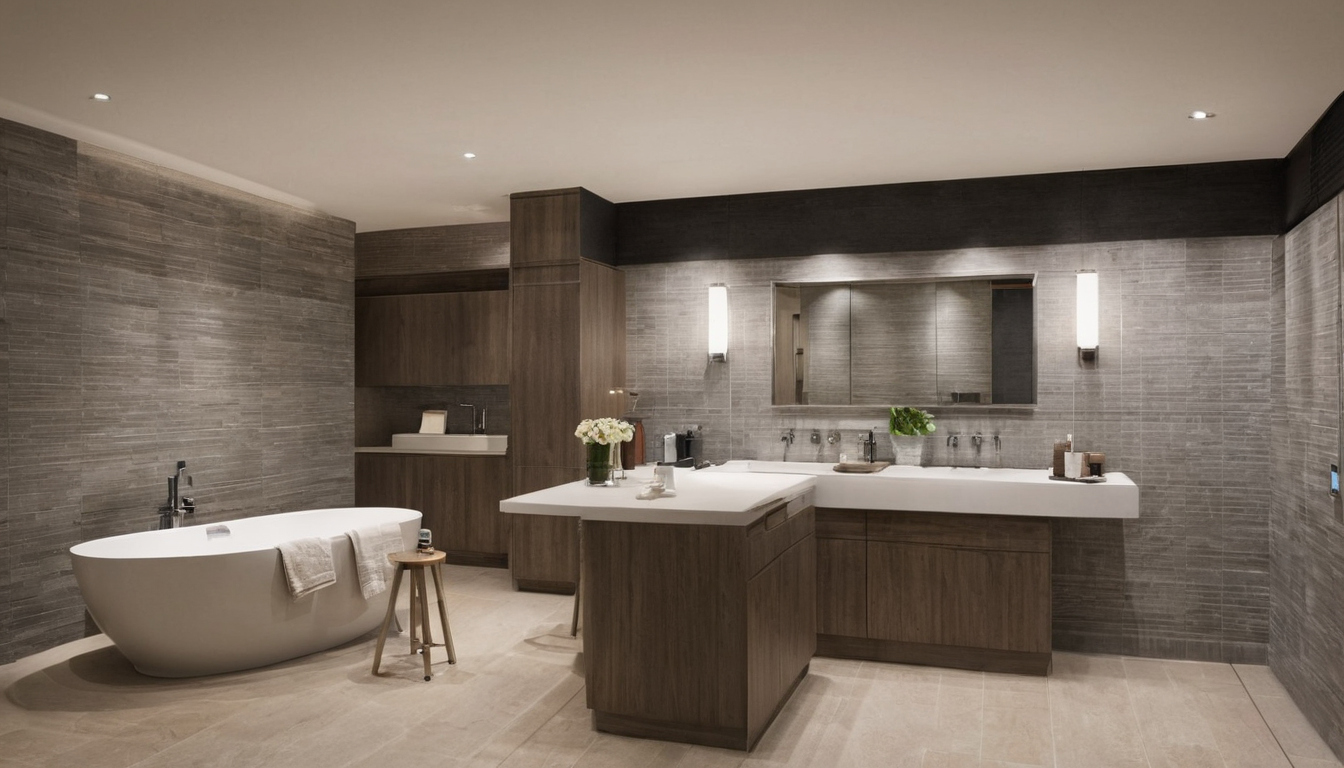
Define the villa’s day-one scope before searching for interior designers near you shown as a planning reference for layout, scale, and material decisions.
Verify what each local interior designer may legally do in the destination jurisdiction
Check every candidate’s permitted title and scope against current state and municipal rules. A portfolio does not prove authority to seal documents, obtain permits, contract regulated work, or supervise trades.
Does the destination regulate the interior designer’s title or practice?
- Identify the jurisdiction: record the villa’s state and municipality, then check current statutes, licensing-board guidance, and permit instructions.
- Separate titles and duties: determine how local rules treat interior designers, registered interior designers, architects, decorators, and contractors.
- Match the property type: Boulder’s addition and alteration guide requires architect-stamped plans and specified application documents for covered multifamily, commercial, industrial, or mixed-use projects. Required drawings must be scaled, use consistent sheet sizes, include scale bars, and reserve a 3 by 3 inch approval area. The guide does not establish requirements for a single-family villa.
- Check building triggers: New York City assigns code determination to a Registered Design Professional for covered commercial or mixed-use alterations. That rule cannot be generalized to a residential villa.
Credentials must be verified in the issuing body’s current records
- Record the issuer, credential type, current status, and verification date.
- Confirm any claimed NCIDQ credential in CIDQ’s current certificate-holder records.
- Match the verified individual to the proposal and the contracting business entity.
Insurance and licensed collaborators must match the villa project scope
- Request a current certificate of insurance for the contracting entity and have a qualified insurance professional review it.
- Confirm workers’ compensation status where employees or installers are involved.
- Name the architect, engineer, or licensed contractor responsible for regulated work and permit documents.
Legal authority clears only one gate. The designer must also show that orders, deliveries, installers, and exterior crews can meet the calendar.
A local interior designer must prove the villa’s procurement and installation critical path
The strongest candidate produces a reverse schedule from move-in day through installation, receiving, freight, ordering, deposits, specifications, measurements, and homeowner approvals.
Can the interior designer produce a reverse schedule from the move-in date?
- Risk: Custom goods have no allowance for delays, damage, remakes, or substitutions.
- Risk: The homeowner’s decision deadlines are missing.
- Risk: Beds, lighting, dining, window coverings, and essential seating lack latest acceptable arrival dates.
Do the receiver, workrooms, dealers, and installers serve the villa location?
Request written confirmation of the receiver’s service area, inspection process, storage capacity, delivery rules, and damage-claim procedure. Workrooms, installers, art handlers, and window-treatment specialists should confirm their availability and current lead times.
- Risk: No party owns concealed-damage claims, remakes, or return freight.
- Risk: Quotations omit validity dates or destination delivery terms.
- Risk: Accessible surfaces are specified without checking the brief. In applicable accessible contexts, the 2010 ADA Standards set dining and work surfaces 28 to 34 inches above the finished floor or ground.
Interior and exterior crews need one access and utility sequence
Zone courtyards, pool decks, and interior flow before procurement. Assign authority over gates, loading, parking, working hours, floor protection, and trade conflicts.
- Risk: Dusty or wet work continues during furniture installation.
- Risk: Irrigation, drainage, lighting, security, or utility rough-ins block finished routes.
- Risk: Ventilation is unavailable during finishing. The U.S. Environmental Protection Agency identifies paints, varnishes, cleaning products, building materials, and furnishings as common indoor sources of volatile organic compounds and recommends increased ventilation during use.
Once the critical path is credible, compare proposals against exactly the same scope.
Compare villa interior design costs with one scope-normalized proposal table
Interior design proposals become comparable only when every candidate prices the same rooms, deadline, purchasing responsibility, and completion standard.
What should a villa interior design cost table include?
| Comparison row | Candidate A | Candidate B |
|---|---|---|
| Fees and services | Basis, scope, meetings, revisions | Same categories |
| Goods and logistics | Goods, freight, receiving, storage, installation | Same categories |
| Additional costs | Travel, taxes, changes, exterior coordination | Same categories |
| Allowances and exclusions | Amount and responsible party | Amount and responsible party |
Accessibility belongs in the shared brief. For applicable accessible-design comparisons, the 2010 ADA Standards specify a 30 by 48 inch clear floor or ground space for wheelchair positioning.
Procurement terms should disclose compensation, ownership, and conflicts
The proposal should state whether the designer acts as agent, reseller, or purchasing party. Require disclosure of markups, commissions, rebates, trade discounts, and referral payments. Assign responsibility for tax, customs, insurance, claims, returns, deposits, and title to goods. Normalized costs can then feed a proof-based scorecard.
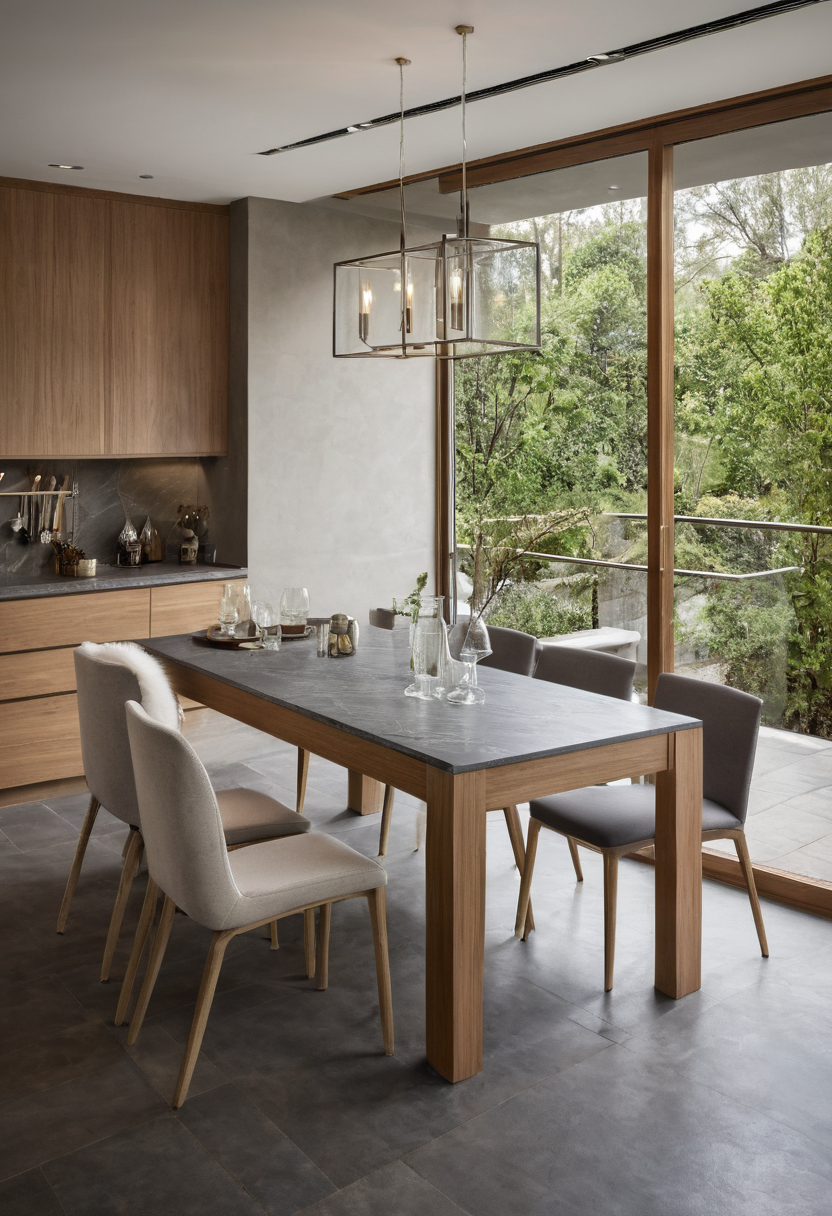
Compare villa interior design costs with one scope-normalized proposal table shown as an editorial reference for proportion and finish coordination.
A deadline-based scorecard reveals the strongest interior designer and the red flags
Use pass-fail gates for lawful scope, insurance, capacity, and receiving. Weight comparable villa work, procurement controls, communication, decision turnaround, recovery planning, references, and style fit only after every gate is passed.
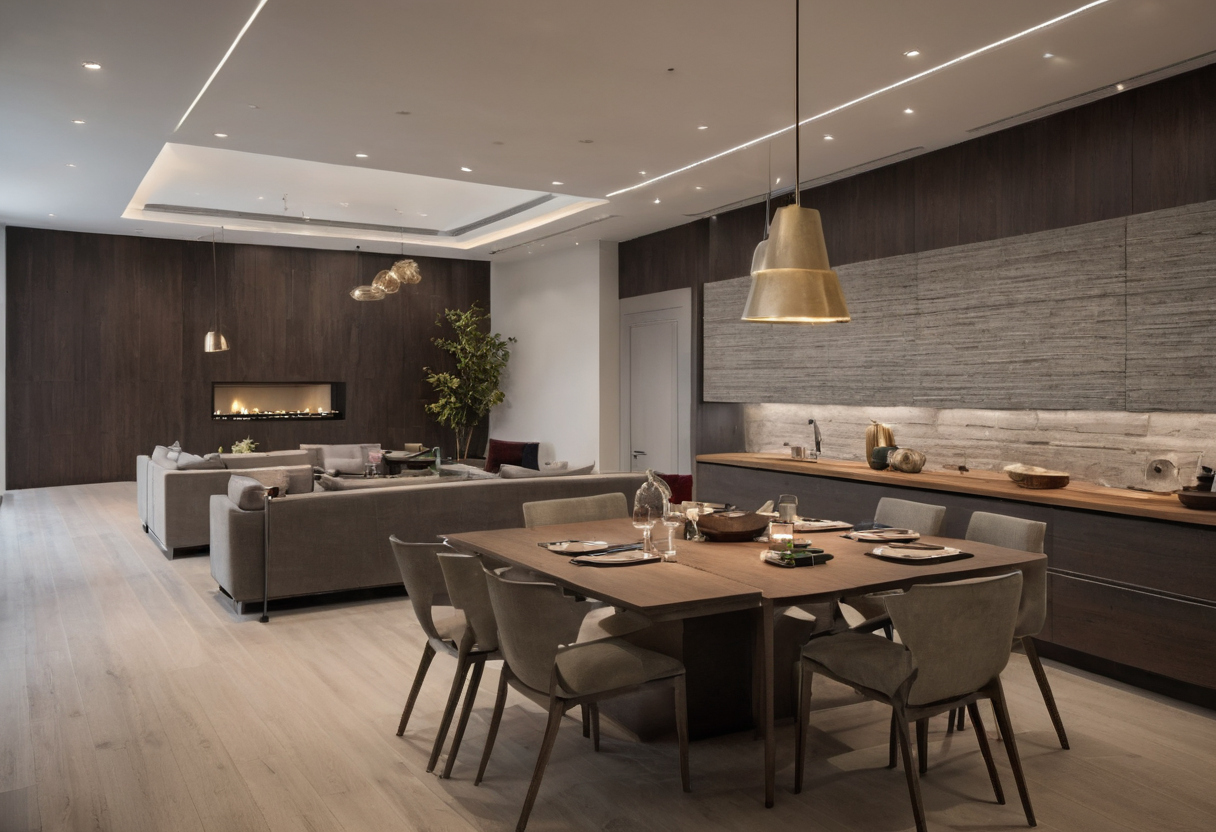
A deadline-based scorecard reveals the strongest interior designer and the red flags shown as an editorial reference for proportion and finish coordination.
Comparable local villa work matters more than a broad portfolio
Comparable evidence should identify location, completion date, approximate scope, documented role, and responsibility for receiving, installation, exterior coordination, or regulated work. Request at least two recent references, with permission, addressing schedule, reporting, communication, damage handling, and punch completion.
Interior designer red flags are gaps in proof, terms, or capacity
Red flags include expired records, unnamed responsible parties, unsupported availability, vague compensation, no receiving plan, and no response procedure for delayed or damaged goods. Boulder’s project guide illustrates how permits and documents can depend on scope, location, floodplain or wetland conditions, historic status, slopes, and alteration level. Its requirements apply only to the covered property types, not single-family villas.
The score identifies the preferred candidate. The agreement must turn that evidence into duties.
The service agreement must make the villa move-in deadline operational
Appoint the designer only after the agreement turns the move-in date into named deliverables, decision duties, dependencies, acceptance criteria, and escalation rules. A qualified legal professional should review the agreement for the destination jurisdiction.
Which contract clauses protect the move-in sequence and purchased goods?
- Attach milestones to drawings, approvals, orders, inspections, and installations.
- Name the project lead, backup contact, client approval windows, and change-order process.
- Define substitutions, rush charges, storage, cancellations, delays, suspension, and force majeure.
- State who holds deposits and owns goods, credits, refunds, and undelivered items.
A phased handover separates safe occupancy from final completion
Day-one acceptance should cover essential rooms, lighting, access, utilities, keys, care instructions, warranties, and vendor records. Keep damage, deficiencies, and punch work in an open-item register with an owner, status, cost effect, and target date.
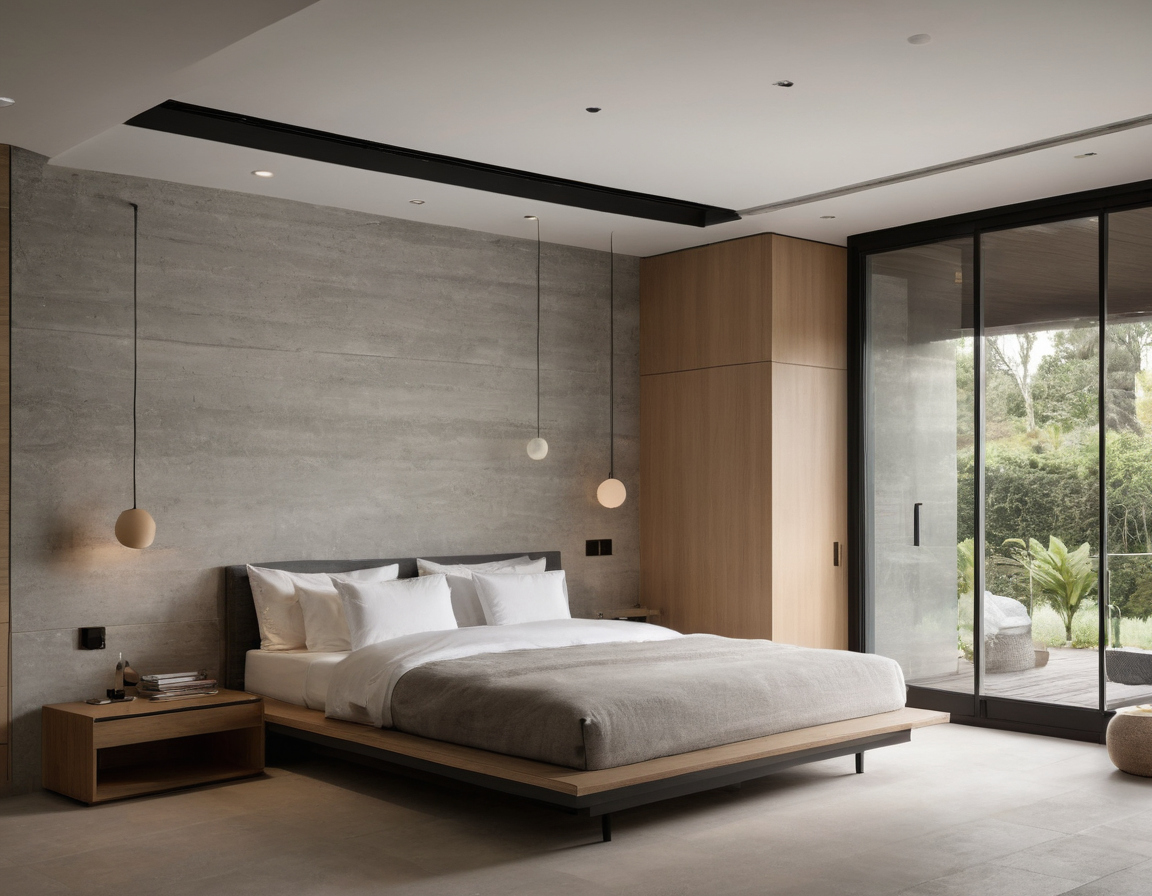
The service agreement must make the villa move-in deadline operational shown with finish, fixture, and clearance relationships visible.
Set post-occupancy visits and final-account procedures in writing. Hire from the completed relocation brief, verified schedule, and signed responsibility matrix, not from search results alone.
Frequently asked questions
How much should I expect to pay for an interior designer for a fixed-deadline villa relocation?
No single price applies across locations and scopes. Compare professional fees, goods, freight, receiving, storage, installation, taxes, travel, change orders, and exterior coordination through the same written brief.
What red flags should I look for when hiring an interior designer near me?
Watch for unverifiable credentials, expired insurance, vague availability, unnamed installers, undisclosed procurement compensation, missing receiving procedures, and no reverse schedule from the move-in date.
Do I need an interior designer, an interior decorator, or a licensed architect for my villa scope?
Decoration and furnishing may require a different role from alterations, permit drawings, structural work, or supervision of regulated trades. Check the current rules for the villa’s state and municipality, then assign each regulated duty to the properly authorized professional.