
If the renovation scope is not frozen, hire interior design services before the contractor is forced to price layout, lighting, storage, finishes, furniture sizes, or long-lead purchases from assumptions. The aim is not decoration first. The aim is a quote, permit route, rough-in plan, and procurement schedule that match the rooms the homeowner actually wants to build.
Hire interior design services before the renovation scope is priced when layout, lighting, storage, finishes, or furniture sizes are still undecided
Interior design services should start before contractor pricing when the renovation depends on spatial planning, lighting positions, built-in storage, finish selections, wet areas, cabinetry, or furniture dimensions. In an occupied home, apartment, townhouse, or villa renovation, these decisions affect demolition, electrical work, joinery, allowances, procurement, and sometimes permit coordination.
- Hire now if walls, openings, wet areas, cabinetry, flooring, stone, sanitaryware, or furniture clearances are not fixed.
- Hire now if the contractor is pricing before tender, permit submission, or a fixed-price construction contract.
- Hire now if lighting design is still generic. ENERGY STAR states that qualified LED lighting uses at least 75 percent less energy and lasts up to 25 times longer than incandescent lighting, but fixture type, dimming, beam angle, and switching still need room-by-room planning.
The homeowner should hire interior design services early when the contractor quote would otherwise rely on allowances
Allowances for tiles, stone slabs, sanitaryware, decorative lighting, cabinetry hardware, wardrobes, and owner-supplied furniture shift design risk into the build. Contractor wording such as “provisional sum,” “excluded,” “by owner,” or “subject to selection” means the quote is not yet pricing the real room.
The homeowner can wait when the renovation is cosmetic and the specification is already complete
A homeowner can wait when the work is limited to repainting, like-for-like flooring replacement, loose furniture styling, curtain selection, or supplier-led product advice. If VOC-emitting paints, coatings, or adhesives will be used indoors, the U.S. Environmental Protection Agency recommends increasing ventilation during product use. The next decision is what a designer should document before the contractor issues a quote.

Hire interior design services before the renovation scope is priced when layout, lighting, storage, finishes, or furniture sizes are still shown as a planning reference for layout, scale, and material decisions.
What can an interior designer fix before a contractor issues a renovation quote?
An interior designer can turn homeowner preferences into measurable renovation scope before pricing: room layouts, reflected ceiling plans, lighting intent, finish schedules, cabinetry intent, furniture clearances, procurement assumptions, and allowance status.
A pre-pricing design package should reduce vague contractor assumptions
A useful pre-pricing package does not need to be a full construction document set, but it should stop the contractor from guessing. The package should show existing and proposed layouts, demolition intent, furniture plans, ceiling and lighting intent, key elevations, cabinetry zones, wet-area layouts, finish direction, door and hardware expectations, and items that remain allowances.
- For a fixed-price tender: the designer should reduce open allowances before contractors compete on price.
- For a negotiated contractor quote: the designer should give enough information for one contractor to price labor, sequencing, and specialist trades with fewer exclusions.
- For a design-build quote: the designer should clarify owner priorities so the builder does not simplify visible finishes to protect margin.
- For cost-plus work: the designer should still fix decisions that affect ordering, site coordination, and rework risk.
Concept design explains direction: warm stone, fluted timber, low-glare lighting, larger shower, quieter home office. Pricing documentation translates that direction into scope: tile sizes, cabinet heights, appliance clearances, outlet locations, paint systems, and named exclusions. The RIBA Plan of Work is presented as a model for the design and construction process of buildings, which is the useful distinction here: early design intent and later technical information are not the same deliverable.
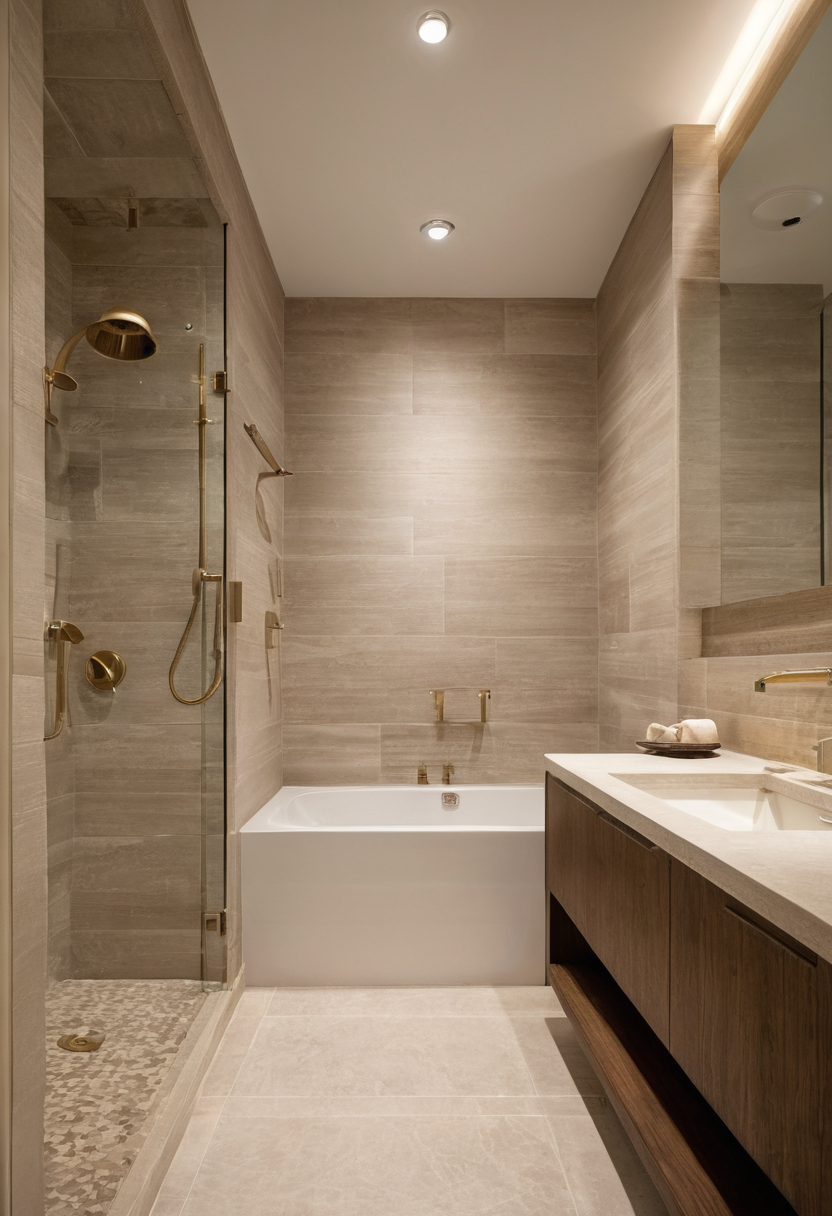
What can an interior designer fix before a contractor issues a renovation quote shown with finish, fixture, and clearance relationships visible.
RIBA also describes its Plan of Work 2020 Overview guidance as based on nearly seven years of construction industry feedback. For a homeowner, the practical point is that a good renovation quote needs staged information, not one mood board and a list of preferred finishes.
A finish schedule should identify product, size, installation pattern, and allowance status
A finish schedule should name each surface and product decision that changes labor or procurement. Useful fields include room, surface, product type, manufacturer or approved equal, size, thickness, finish, color, grout, trim, edge detail, installation pattern, substrate requirement, quantity basis, lead-time risk, and allowance status.
Tile size changes setting time, lippage control, waste, and substrate tolerance. Stone slab format changes templating, handling, seams, edge profiles, and sometimes cabinet support. Specialty plaster, waterproof wall panels, large-format porcelain, and patterned timber floors should never sit inside a vague line such as “premium finishes included.” For natural stone, care expectations also affect selection: the Natural Stone Institute recommends neutral cleaners, stone soap, or mild liquid dishwashing detergent with warm water for stone surfaces, which matters when a client wants a marble vanity in a family bathroom.
A furniture plan should be completed before electrical and lighting positions are locked
A furniture plan fixes the human geometry behind the electrical plan. Sofas need side-table sockets, floor lamps need switched outlets, dining pendants need the table center rather than the room center, beds need reading lights and reachable switches, wardrobes need door-swing clearance, and home offices need power where the desk actually sits.
As a practical check, allow generous walking routes where people carry laundry, trays, or luggage; leave enough space to pull out dining chairs; keep bed access clear on usable sides; and test wardrobe, cabinet, and appliance doors at full swing. In a private gallery or collection room, preservation and documentation may also affect lighting, storage, and access decisions; the National Park Service Museum Handbook provides a conservative reference for collections preservation, documentation, access, and use.
If the homeowner still needs to identify qualified interior design professionals or product suppliers, the American Society of Interior Designers states that it connects clients with qualified interior design professionals and product suppliers through Design Finder. Once the designer has converted taste into drawings, schedules, and assumptions, the next question is who is responsible for each decision before the scope is priced.
Which professional should lead each part of the pre-scope renovation decision?
The right lead depends on the decision type. In a residential renovation, the interior designer usually leads room planning, finishes, joinery intent, lighting coordination, and furniture integration, while architects, engineers, contractors, decorators, and procurement agents cover different risks. The homeowner should assign responsibility before the scope is frozen.
Professional titles, licensing rules, permit authority, and insurance requirements vary by jurisdiction, so the matrix below is a commissioning guide, not a substitute for local appointment rules.
| Professional | Best lead before scope freeze | Boundary to confirm |
|---|---|---|
| Decorator | Color palette, styling, loose furniture, curtains, accessories | Usually not responsible for construction drawings, permits, or technical coordination |
| Interior designer | Space planning, finish schedules, cabinetry intent, lighting intent, furniture clearances | Design intent must be coordinated with code, structure, MEP, and contractor execution |
| Architect | Building layout changes, façade issues, stairs, permit drawings, architectural compliance | May not specify every interior finish or procurement item unless appointed to do so |
| Structural engineer | Wall removals, beams, slabs, openings, load paths | Does not choose the kitchen plan or finishes |
| MEP consultant | Mechanical, electrical, plumbing, ventilation, drainage, wet-area services | Needs room layouts and fixture positions before final coordination |
| Contractor | Buildability, pricing, sequencing, site protection, trade coordination | Should not be forced to invent design selections inside the quote |
| Procurement agent | Ordering, lead-time tracking, vendor coordination, delivery logistics | Should not decide design value without the homeowner’s approval route |
An interior designer is not automatically a structural, permit, or engineering professional
Interior design services can define how rooms work, how materials meet, and where furniture, lighting, storage, and finishes belong. Structural removals, stair changes, façade alterations, wet-area relocations, gas changes, major electrical works, and building-management approvals often need an architect, engineer, licensed contractor, building surveyor, or permit consultant.
The RIBA Plan of Work organises briefing, designing, constructing, and operating building projects into eight stages and includes responsibility tools such as a Design Responsibility Matrix. That is the practical lesson for a homeowner: decide who owns design intent, technical compliance, construction means, procurement, and site observation before the contractor prices the work.
A decorator is usually too late-stage for unresolved renovation scope
A decorator is useful when the shell is already settled. Paint colors, wallpaper, soft furnishings, loose rugs, window treatments, art placement, and accessory styling can transform a finished room, but they do not normally solve plumbing routes, electrical loads, cabinetry junctions, stone thickness, or furniture-driven socket positions.

Which professional should lead each part of the pre-scope renovation decision shown with finish, fixture, and clearance relationships visible.
An interior designer is a better early lead when the renovation quote depends on dimensions, finish build-ups, joinery details, and installation sequence. The American Society of Interior Designers describes ASID as a professional association for interior designers and lists practice topics such as contracts, liability insurance, ethics, credentials, certifications, and permit authority, which reflects how interior design can sit closer to project responsibility than decoration alone.
A contractor can price and build more accurately when design intent is documented
A contractor can give a tighter quote when the tender package names the tile format, stone type, cabinetry scope, lighting positions, sanitaryware locations, door hardware, paint system, appliance allowances, and exclusions. Without those decisions, the quote usually carries assumptions, provisional sums, or omissions that become owner decisions during construction.
Material decisions also affect health, durability, and installation planning. The U.S. Environmental Protection Agency identifies paints, varnishes, waxes, cleaning products, building materials, and furnishings as common indoor sources of volatile organic compounds, so finish selection is not only a color question for enclosed renovation work. Once responsibility is clear, the next decision is timing: how early should those interior design services enter the home or villa workflow?
How early should interior design services start in a home or villa renovation workflow?
Interior design services should usually begin after the homeowner defines goals and a budget range, but before contractor tender, permit coordination, and procurement commitments. For home and villa renovations with built-ins, lighting, wet areas, imported finishes, or custom furniture, the designer should join during survey and concept planning, not after demolition.
A practical renovation workflow runs in this order:
- Brief: rooms, pain points, budget range, target move-in date, storage needs, maintenance tolerance, and approval constraints.
- Measured survey: dimensions, ceiling heights, windows, doors, columns, beams, drainage points, electrical panels, air-conditioning routes, and existing finishes.
- Concept layout: furniture planning, circulation, kitchen and bath arrangement, lighting intent, and major finish direction.
- Design development: cabinetry, material build-ups, appliance positions, sanitaryware, reflected ceiling intent, and preliminary specifications.
- Pricing and approvals: contractor tender, building management review, permit coordination, alternates, exclusions, and allowance checks.
- Procurement and construction: long-lead orders, submittals, rough-in, fabrication, site observation, installation, snagging, and handover.
Professional phase language supports this sequence. The Architectural Design Phase Definitions page describes architectural design as distinct phases derived from an American Institute of Architects agreement document, including pre-design, site analysis, schematic design, design development, contract documents, bidding or negotiation, contract administration, and post-contract phases.
The same phase definitions state that schematic design, design development, and contract documents phase services may include interior design as well as materials research and specifications where those services are provided. The page also describes bidding or negotiation as including bidding materials, alternates or substitutions, bid evaluation, and contract award, while contract administration may include submittals, observation, testing and inspection administration, supplemental documentation, quotation requests or change orders, cost accounting, and closeout. For renovation planning, the useful lesson is simple: interior design decisions belong in schematic design, design development, and contract documents, not only during final decoration.
The best hiring point is before the measured survey is translated into layout options
The best hiring point is before a measured plan becomes a contractor sketch. A designer can read the survey against daily use: whether a dining chair blocks a terrace door, whether a wardrobe depth collides with a beam, or whether a bathroom vanity can align with existing drainage without raising the floor.
Apartment renovations usually depend on shafts, slab penetrations, façade rules, lift access, working-hour limits, and management approvals. Standalone homes add roof routes, exterior drainage, window changes, and service upgrades. Villas add longer circulation, larger glazing, outdoor thresholds, landscape interfaces, staff or guest zones, and more complex air-conditioning routes. Early design work turns those constraints into layout options before the contractor prices an assumption.
The last safe hiring point is before electrical, plumbing, cabinetry, and finish orders are committed
The last safe hiring point is before rough-in and orders lock the project. After electrical points, plumbing routes, cabinetry shop drawings, stone templates, tile quantities, and finish purchases are committed, a design change usually becomes a change order rather than a normal design revision.
Late decisions that cause avoidable cost include moving switch banks after door swings are set, adding wall lights after plastering, changing kitchen appliance sizes after cabinet fabrication starts, shifting vanity plumbing after waterproofing, or adding shower niches after wall build-up is fixed. If the scope is still undefined at this deadline, the next decision is not only whom to hire, but which fee structure buys enough design clarity without overcommitting the homeowner.
What interior design fee structure fits an undefined renovation scope?
When the renovation scope is not fixed, the safest interior design fee structure is usually phased: a paid diagnostic or concept phase first, then a separate design development, documentation, procurement, or site-support agreement. This keeps the homeowner from committing to full-service fees before rooms, drawings, contractor route, and purchasing responsibilities are clear.
A paid consultation or diagnostic phase is useful when the homeowner only needs scope clarity
A diagnostic phase works well when the owner is still deciding between a light refresh, a partial renovation, or a full home interior design package. The fee may be hourly, a fixed consultation price, or a short phase fee. Useful deliverables include a scope review, risk list, priority rooms, budget alignment, early layout comments, procurement flags, and a list of decisions needed before contractor pricing.
The homeowner should ask whether the diagnostic fee is credited toward later full-service work. Some studios credit it if the owner signs within a set period; others treat it as a separate professional service because the advice has value even if the project stops there.
A flat fee works better after rooms, deliverables, and revision limits are defined
A flat fee is clearer once the designer can name the number of rooms, drawing set, finish schedule, meetings, revisions, site visits, and procurement role. Before that, a flat fee can hide assumptions. One proposal may include concept boards only, while another includes measured plans, lighting intent, cabinetry elevations, supplier coordination, and installation attendance.
Scope changes that often trigger additional fees include adding rooms, changing the kitchen layout after cabinetry design, replacing selected finishes, requesting extra revisions, expanding contractor coordination, or asking the designer to manage purchasing after the original agreement excluded procurement.
Procurement markup should be separated from design decision-making
Procurement fees need plain language because furniture, lighting, stone, sanitaryware, rugs, and custom pieces can carry discounts, freight, storage, damages, returns, and warranty administration. Common models include retail price less any designer discount retained by the studio, markup over net cost, a handling fee, or a purchasing agent fee.
The homeowner should ask who receives trade discounts, who pays freight and storage, who handles damaged goods, who approves substitutions, and whether procurement advice is independent from the markup. Clear fees reduce friction, but late decisions still create cost. The next risk is which interior choices become expensive change orders once the build has started.
Which late interior design decisions create the most expensive renovation change orders?
The riskiest late interior design decisions are the ones that touch multiple trades: kitchen cabinetry, stone, lighting, electrical layouts, plumbing fixtures, tile formats, door hardware, and imported furniture. In residential renovations, these choices can change rough-ins, substrates, shop drawings, lead times, contractor sequencing, and the project’s cash-flow plan.
Custom cabinetry and stone should be designed before demolition or rough-in pricing
Custom kitchens, wardrobes, vanities, wall paneling, and stone counters drive scope because they set dimensions for plumbing, electrical outlets, appliance openings, tile edges, backing, ventilation, and installation access. A cabinet decision made after demolition can alter wall preparation, floor leveling, ceiling bulkheads, and the contractor’s rough-in plan.
Custom cabinetry often needs several weeks for design, approval, production, and delivery, while stone usually needs site measurement, slab selection, template approval, fabrication, and installation after base cabinets are fixed. The Affordable Housing Design Advisor / NJIT phase definitions describe pre-design as the point where the owner’s program, financial and time requirements, and project scope are established, which is exactly the stage where these scope-driving items should be tested.
Natural stone also affects maintenance expectations. For residential stone surfaces, the Natural Stone Institute warns that scouring powders or creams can scratch stone because those products contain abrasives, so finish choice should be coordinated with cleaning habits before the slab is purchased.
Lighting and electrical decisions should follow furniture plans, not generic ceiling grids
Lighting changes become expensive when wiring, ceilings, and wall finishes have already been closed. Dining pendants need the dining table position, bedside sconces need mattress and headboard heights, artwork lights need wall elevations, and kitchen task lighting needs cabinet sections, not only a reflected ceiling sketch.
Floor outlets, switch banks, dimming zones, mirror lights, under-cabinet lighting, and concealed LED channels should be tied to furniture and joinery plans before electrical rough-in. Moving a pendant by a small distance may sound minor, but it can mean reopening plasterboard, rerouting conduit, patching paint, and delaying ceiling completion.
Imported furniture, sanitaryware, and decorative lighting should be checked before the build schedule is promised
Imported furniture, specialty sanitaryware, decorative lighting, architectural hardware, and appliances can create schedule risk before they create visual pleasure. Typical risks include freight delay, customs clearance, damaged cartons, discontinued finishes, voltage mismatch, missing installation kits, storage limits, and products that need different plumbing or wall reinforcement than expected.
A villa renovation or higher-spec home interior should therefore verify availability, lead time, technical sheets, finish codes, and site storage before the contractor promises handover dates. The next safeguard is contractual: the homeowner should ask what the interior design services agreement actually includes before signing.
What should the homeowner ask for before signing an interior design services agreement?
Before signing an interior design services agreement, the homeowner should ask for a written scope, deliverables list, fee structure, revision policy, procurement terms, contractor coordination role, site-visit allowance, exclusions, and decision schedule. This matters before renovation scope is fixed, because unclear design responsibilities can become construction disputes.
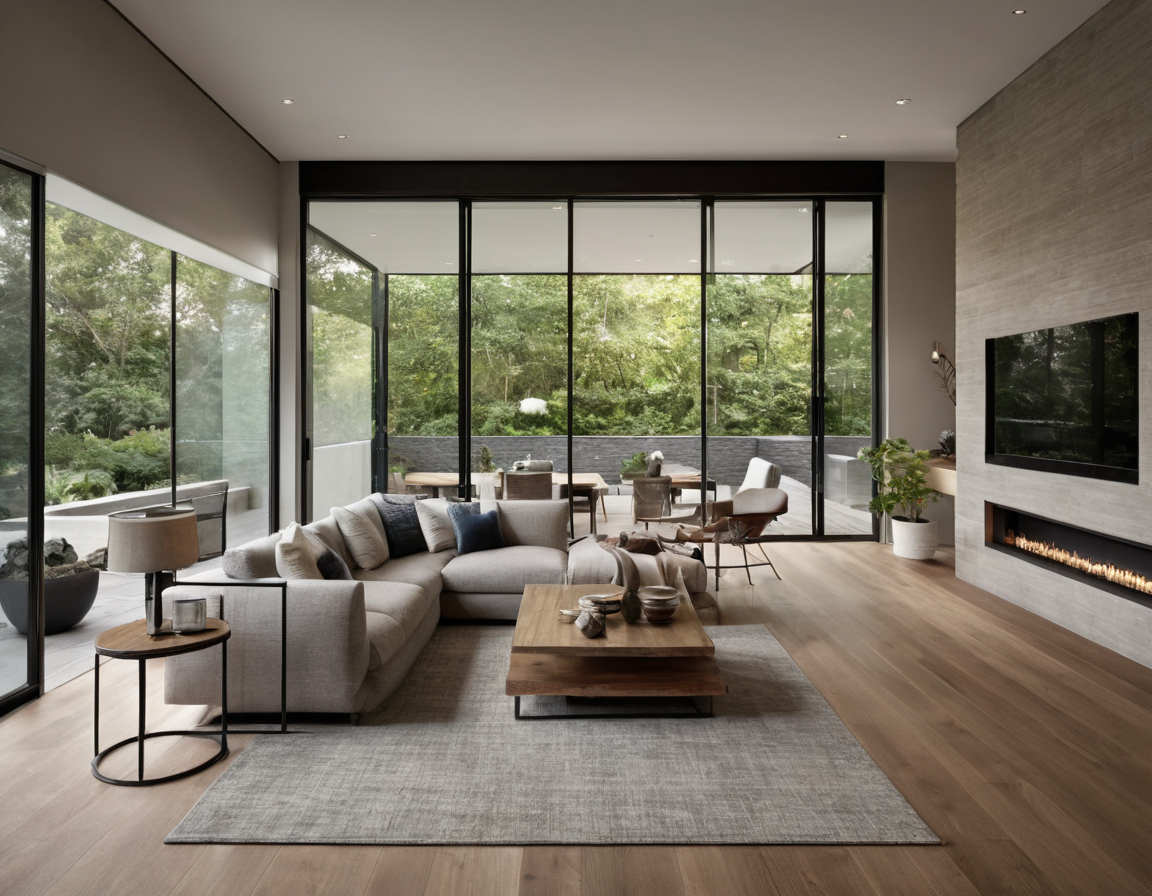
What should the homeowner ask for before signing an interior design services agreement shown as an editorial reference for proportion and finish coordination.
The design agreement should name drawings, schedules, meetings, revisions, and site involvement
The proposal should state exactly what the interior designer will issue for the renovation stage: concept boards, measured plans, layout options, elevations, reflected ceiling intent, finish schedule, furniture schedule, cabinetry intent, procurement schedule, and site observation notes where relevant.
- Rooms covered: name every room, wet area, terrace, corridor, stair, storage zone, or villa service area included.
- Revision limits: set the number of layout, finish, and furniture revisions before extra fees apply.
- Meetings: define design meetings, contractor coordination calls, showroom visits, and response times.
- Site involvement: clarify whether site visits include rough-in checks, finish mock-up reviews, installation day support, and snagging notes.
- Procurement role: state who orders, pays, tracks, stores, insures, receives, and checks furniture, lighting, stone, sanitaryware, and accessories.
The homeowner should treat vague pricing, hidden procurement terms, and no written deliverables as red flags
Red-flag proposal language includes “full design support” without named drawings, “procurement handled separately” without markup terms, “site visits as needed” without an allowance, or “contractor to confirm all details” when the designer has not issued enough information for pricing.
A homeowner should sign only when the agreement shows what decisions will be made, who documents them, when the contractor receives them, and what happens when the owner changes direction. The practical shift is simple: buy design clarity before buying construction certainty.
FAQ
What is the 30% rule for renovations, and should a homeowner reserve that much before hiring interior design services?
The 30% rule is an informal contingency idea, not a universal interior design standard. A large reserve may be sensible for older properties, hidden services, structural uncertainty, imported products, or villa renovations with many trades. The homeowner should still hire design help before pricing if the scope is unclear, because contingency money does not fix missing layouts, vague allowances, or late procurement decisions.
What are red flags when hiring an interior designer before a renovation scope is fixed?
Red flags include no written deliverables, no revision limits, unclear procurement markup, no distinction between concept design and construction information, no process for contractor questions, and no statement of exclusions. Another warning sign is a designer who agrees to “full renovation design” without asking for a measured survey, budget range, building restrictions, existing services, and decision deadlines.
Can a homeowner hire an interior designer after choosing a contractor?
A homeowner can hire an interior designer after choosing a contractor, but the timing is riskier if pricing, rough-in, cabinetry, or finish orders are already locked. The best approach is to bring the designer into a coordination meeting quickly, identify open allowances and exclusions, and decide which design documents must be issued before the contractor proceeds.
Is the 3-5-7 rule in interior design useful for renovation planning or only for styling?
The 3-5-7 rule is mostly a styling and composition idea, often used for arranging objects in odd-numbered groups. It can help shelves, accessories, and visual rhythm, but it does not replace renovation planning. Contractor pricing needs dimensions, finish schedules, lighting locations, joinery intent, procurement assumptions, and responsibility boundaries.
Does the 70/30 rule in interior design help with renovation budgets, finishes, or color balance?
The 70/30 rule is more useful for visual balance than for construction budgeting. A room might use one dominant material or color for about 70% of the visual field and a contrasting material or accent for about 30%, but renovation budgets need a different discipline: scope, quantities, labor, lead times, allowances, exclusions, and change-order control.